
10 Interesting Facts About the History of Background Checks
April 7, 2012 Concerns about security in a post-9/11 world have led to a dramatic surge in background checks over the last decade; these days, prospective employers and prospective mates alike regularly run a check before making the decision to bring someone on board. Though this industry has increased exponentially in recent years, its roots extend further into history than you might think. Here are ten things you might not know about the history and development of the background check industry as it exists today.
- World’s First Police Force – Widely considered the world’s first police force, the 1749 formation of the Bow Street Runners would play a major role in the creation of law enforcement programs for generations to come. Created by a British author, Henry Fielding, and continued by his brother, Sir John Fielding, the beginning of organized law enforcement is one of the key moments in background and criminal checking history.
- Modern Police Record-Keeping Began in Scotland – In addition to being partially responsible for the creation of the Bow Street Runners, the world’s first professional police force, Sir John Fielding also aided greatly in creating what would become the basis for modern police records, the Police Gazette.
- America’s First Criminal Database – In addition to founding the Federal Bureau of Investigation and acting as its first director, J. Edgar Hoover was also responsible for creating the nation’s very first centralized database of fingerprints. This would eventually lead to the massive collections of criminal data accessed today by the background check.
- The World’s First Credit Reporting Agency – Consumer and credit reports would eventually become one of the most controversial aspects of background checks, unbeknownst to the world’s first credit reporting agency’s creator, Eugene Francois Vidocq. For those who feel that this facet of a background check is too intrusive, it will come as no surprise that this legendary detective began his career on the other side of the law enforcement line: he was a reformed criminal.
- Letters of Reference Become Commonplace – The practice of checking employment references seems to have its roots in the letters of character presented to the ladies of a home in which a potential domestic servant wished to work. These letters were invaluable to domestics, and set the stage for the employment references that are part of a thorough pre-employment background screening today.
- First Private Investigator Sets Up Shop in America – The very first private investigation firm on American soil opened its doors around 1850, headed up by the Scotland-born Allan Pinkerton. His investigative techniques would go on to shape an entire “private eye” industry, which later began to specialize in background checks.
- The World Wide Web Gets Its First “People Search” Company – In 1996, a burgeoning internet added a new capability to its growing list with the creation of Exploreos, America’s very first online people search database.
- The Brady Handgun Violence Prevention Act – One of the milestones in the world of background checks is the Brady Handgun Violence Prevention Act, which was passed in 1993. The law requires that individuals attempting to purchase a firearm undergo a thorough background check before taking possession of the weapon. For many Americans, this was their first brush with a records check.
- The Fair Credit Reporting Act is Passed – This 1970 law is enforced by the United States Federal Trade Commission, and greatly affects the way that consumer credit information can be used. FCRA has a great impact on the way that background checks are conducted and used; in order to obtain FCRA-protected information, the subject must grant written permission and the process must be thoroughly documented.
- The Americans With Disabilities Act – Another federal law that determines the way that information obtained through a background check is used, the Americans With Disabilities Act was created to prevent discrimination against disabled citizens. When a background check returns information that indicates an undisclosed disability, potential employers are not allowed to let that information affect their hiring practices.
From the very first police force to the wonders of the online age, there have been hundreds of milestones along the way. The history of the background check, the private investigation industry and all of the things in between certainly makes for fascinating reading.
Posted in Background Check | Comments Off on 10 Interesting Facts About the History of Background Checks10 Things About Their Histories Nannies Should Tell Upfront
April 4, 2012 Even the most capable nannies may have things in their past that they’d rather leave hidden, but it’s very important that you be forthcoming and honest with certain information. Tackling sticky issues head-on instead of waiting for a background check to disclose them is the best course of action to prevent the appearance of dishonesty and the loss of a post.
- Criminal Record – Most employers are likely to be forgiving of a youthful mistake that is admitted openly; discovering a criminal record during the final stages of the hiring process is, however, likely to make them angry and feel distrustful. Any blemishes on your criminal record should be addressed before the background check begins.
- Moving Violations – A problematic driving record, such as one with dozens of speeding tickets or a reckless driving charge, could be grounds for immediate dismissal if it’s discovered after you’ve been hired.
- Substance Abuse Problems – If substance abuse problems in your past are documented, it’s essential that you disclose this information upfront and show proof that you’re fully rehabilitated.
- Medical Conditions That Require Allowances – Employers, even those on a private level, are not allowed to discriminate against candidates with medical problems or disabilities. However, it is very important that you let a potential employer know about any health issues that you may have in order to be sure that they are able to provide the accommodation you require.
- Problems With Previous Employers – One poor reference can do damage to a nanny’s reputation, but a glaring period of unemployment typically requires explanation; as a result, leaving the name and contact information of a previous employer can seem like a tricky situation. It’s best to leave your work history intact, and explain to your potential employer that there was a problem at the post.
- Mental Health Issues – While mental health problems are protected under discrimination laws, it’s still important to disclose any illnesses that you have. Even if your symptoms are well controlled with medication, it’s in the best interest of you and your employers to be fully aware of any warning signs.
- Citizenship Status – Though it’s illegal to work “under the table” for cash, it is a relatively common practice in the nanny world. While we certainly don’t advise this method of compensation, it’s ultimately between you and your employer. However, if one of the reasons that you prefer to be paid “off the books” is that you aren’t legally eligible for employment due to citizenship status, it is absolutely essential that you disclose that information.
- Impending Change in Familial Status – If you’ve recently discovered that you’re pregnant, are planning to be married soon or foresee other changes in your family status on the immediate horizon, it’s best to let your prospective employer upfront in order to give them sufficient notice and time to prepare.
- Credit Problems – While some states prohibit the use of financial information for employment purposes, others do not. There’s also a school of thought that advises employers not to hire candidates with poor credit, as it shows a lack of responsibility. If there are blemishes on your credit report and you live in a state that allows that information to be considered, it’s best to be forthcoming.
- Personal Crises – We all have problems in our personal lives from time to time; if you’re struggling with an extended family illness or other personal crisis, it’s important to let a prospective employer know so that they can make plans for backup care should you need to take time off.
Honesty really is the best policy, and these are only a few of the situation that might require disclosure. It’s important to use your own best judgment regarding other aspects of your history when deciding what is appropriate and necessary to share during an interview.
Posted in Background Check | Comments Off on 10 Things About Their Histories Nannies Should Tell Upfront10 Physical Signs a Child is Lying to You
April 4, 2012 There’s an old joke about lawyers and politicians that asks the question “How can you tell when they’re lying?” The answer, of course, is “When their lips are moving.” Hopefully this sentiment isn’t an adequate litmus test for your child, although you can probably acknowledge that he or she is prone to fibbing every now and then. So what is a good indication of when a child is lying? Here’s a list of ten signs to look for if you think your little one isn’t being straight with you:
- Blushing – A child who is fibbing is apt to get a little flush in the cheeks. The stress of lying can raise blood pressure to the point of giving a child that rosy glow. This can be a tip-off to some tale telling.
- Pale Face – Yes, Kimosabe, just like blushing this too can be a giveaway that your young squaw is fibbing. Some bodies react oppositely to lying with a drop in blood pressure instead of an increase. So if your little angel suddenly takes on an alabaster tone when she speaks, she may be getting a little devilish with you.
- Facial Expression – Kids haven’t developed the necessary discipline or the ability to sell themselves that is required to keep a poker face. They will often give themselves away with a change in expression of some kind – maybe a frown or perhaps a very pensive look, for instance, that doesn’t match their statement.
- Eye Contact – A very common indicator of lying is diverting one’s eyes. If your child looks away while he’s sharing his story, it’s very possible that he’s lying. This may be done either out of shame, or out of “searching” for his answer, and you might want to be wary if your child’s gaze is directed elsewhere.
- High-Pitched Voice – Nerves can cause the vocal cords to tighten, which has the effect or raising one’s voice pitch. This could suggest that your little one is having difficulty telling a whopper.
- Covering the Mouth – Another involuntary physical sign that could indicate lying is if your child covers their mouth when they respond to a question. In conjunction with other indicators especially, your child may be in a sense covering up an untruth.
- Obstructions – An alternative to the averted glance or the covered mouth is for the child to place an obstruction between himself and you, like a cereal box or a toy, in order to hide from you while telling a fib.
- Face Touching – This can sometimes be a subconscious nervous reaction by a child that is being untruthful. She may touch her mouth or eyes, scratch her nose, even fuss with her hair. Such preoccupations as these often accompany a search for a response when the child is asked a question she’d rather not answer truthfully.
- Fidgeting – Of course, kids tend to be restless naturally, so it may not mean anything most of the time. However, if the subject seems to make your child noticeably uncomfortable – particularly if a change in subject brings the fidgeting to a stop – this could be a sign of lying.
- Head Down – If your child holds his head down when talking and mutters his responses to questioning then he may be hiding something from you. A head held down is sometimes an indication of shame. You’ll have to probe further to find out whether it’s a fib, or just shyness.
Taken individually, the above indicators may or may not provide a reliable gauge, since there are many other possibilities for kids to look or behave in a certain way. In combination, and in cases where such behavior hasn’t proven to be the child’s normal manner, they could suggest the child is not telling the truth. It’s up to the parent to recognize deviations from their child’s normal mannerisms in order to spot the anomalies.
Posted in Background Check | Comments Off on 10 Physical Signs a Child is Lying to You10 Worst Crimes a Prospective Nanny Might Hide
April 2, 2012 More and more people are turning to nannies now instead of leaving their kids alone. The nanny can pick them up after school, fix them snacks, help them with homework, and take them to their after school activities. This person that your hire to be your nanny needs to be very trustworthy since you will be relying on them to take care of your children as you would if you were able to be there. Doing background checks on nannies is common practice now if you hire them through a service, but if you just hire someone through an ad in the paper it’s best to run your own criminal background check. Check out 10 worst crimes a prospective nanny might hide.
- Drunk driving: This is a red flag on so many accounts. Maybe they had a little too much to drink at a party and drove home. You might be able to understand that, but then again maybe not. What if they have a drinking problem and they decide to drink some of your liquor while watching your children? What if they drive drunk while taking your kids to soccer practice? Nannies might try to hide something like that.
- Child abuse: This would be a pretty bad crime in anyone’s book, but if you were trying to get a job as a nanny and your future employers found this out I don’t think you would be getting any jobs dealing with children.
- Sexual offender list: I believe that if you are on the sexual offender list that you are required to stay a certain distance away from schools and daycares and kids in general so this would be a pretty bad crime, but they would need to hide it and maybe change their name so you couldn’t find out.
- Attempted murder by their boyfriend: While this is not a crime by the nanny it is a terrible crime that a nanny might want to hide from her employer. I would not want a nanny whose boyfriend may come after her while she is with my kids. What if he decides to try to kill her again and doesn’t want any witnesses? Not a good scenario.
- Petty theft: I think this is more common that you would think. Girls dare other girls to shoplift something and they do, but they get caught. This would probably be on a sealed juvenile record, but any shoplifting charges would set off an alarm with a future employer that you might steal from them while you are in their house with their kids.
- Underage drinking: This may have been a one-time thing at a party or it may have been using a fake ID to get into a bar or buy alcohol. A lot of teenagers try alcohol and it’s not the end of the world if they get caught and it certainly doesn’t mean that they would ever drink with the kids, but as a parent you have to think about it. What if this person decides to drink the liquor in my home or gives it to her friends. This would not be a good situation and they’ve already proven that they had a huge lack of judgment. I would want to hide it if it were me.
- Assault: Many times assault is due to anger issues. If you were going to be working with children that might test your patience and you had anger issues this might be something you would want to hide from your employers. The last thing they would want is to hire someone that might abuse their kids.
- Statutory rape: Most times this is when an older guy sleeps with an under-age girl. However, as we have seen in the news with these teachers sleeping with their students it is possible for women to be convicted of this crime as well. Many times it ends up that they were dating, but you just never know. As a parent you would want to steer totally clear of someone who likes young boys. Especially if you have a young boy.
- Kidnapping: We’ve seen it in the news where there’s a divorce situation and the kids end up with the father for whatever reason and the mom tries to take them and is convicted of kidnapping. Being a nanny may seem like a good job to get when all you know how to do is take care of kids. This would be a pretty bad crime and one that a nanny would want to hide. They may think she would kidnap their kids if she got too attached to them.
- Drug abuse: A crime that most people would not be proud of and it definitely wouldn’t make a future employer want to trust you in their house around their prescription drugs and kids. This is a crime that a nanny would definitely want to hide.
Posted in Background Check | Comments Off on 10 Worst Crimes a Prospective Nanny Might Hide
10 Reasons for the Recent Increase in Credit Card Fraud
April 2, 2012 Credit card fraud is an increasingly popular form of theft wherein credit cards, or just credit card numbers, are used by unauthorized persons for payments or purchases. The prevalence of this sort of crime is directly tied to the frequency with which credit cards are being used in commerce. There are a number of factors contributing to the increase in credit card fraud. Here are ten of them:
- ‘Card not present’ transactions are more common than ever before. Purchases online, by phone or mail order have increased, so verification is more difficult, making it easier for thieves to misuse credit cards.
- Technology such as hand-held skimmers allow thieves to capture the data from a credit card, then re-use that information to commit fraud. This type of theft usually occurs in merchants where the cashier or service person can swipe the card out of view of the customer.
- ATM skimmers, a more sophisticated form of technology, have been used to intercept card information from unwitting ATM users. They can be installed virtually unnoticed on an ATM, to look like part of the machine.
- You may have noticed how seldom your ID is requested by merchants when using a credit card. Some are deliberate in their failure to do so, reasoning that the purchases are insured by the issuing bank. However, fraud costs both merchant and customer in the form of higher rates.
- Credit card thieves are becoming more sophisticated in their online operations as well. Websites which mimic the real thing convince consumers that they are dealing with a reputable or familiar entity, when they are in fact having their credit card info stolen from them.
- Email phishing has become more common. Credit card thieves will send consumers an email, posing as a bank or other business, advising the person that there is a problem with their account. They are instructed to click on a link, ostensibly to the entity’s website in order to verify account information. The link is fake, the website is fake, and the info the person provides is being stolen.
- The increase of e-commerce in general has made the incidence of fraud more frequent as well. There are simply more opportunities for thieves to access credit cards and credit card data as a result.
- Some thieves have stolen credit card offers sent via US Mail to victims’ homes. They submit the credit card application with a change of address request, obtain the cards, and off they go a-shopping.
- Credit cards themselves aren’t always the target of thieves, who know that the consumer is more likely to be protective of them than their alternate target: supporting documents. As careful as cardholders might be with the card itself, they can overlook the statements, receipts, and invoices that include all the info a thief needs to steal your credit account.
- Fraudulent charges can easily go unnoticed on a statement when the authorized user is making numerous transactions with it, and doesn’t review his statement carefully. This allows unscrupulous merchants to hide small purchases on cards without being detected.
10 Trust Factors Background Checks Don’t Tell You
March 31, 2012 Though running a thorough background investigation on a potential employee or even a prospective mate will supply a considerable amount of information, there are some important things that even the most exhaustive check may not return. Here are ten of the trust factors that you will not be able to rely on a background check to learn.
- Temperament – There may be a few clues as to a person’s temperament scattered throughout their background reports, but it is, for the most part, impossible to make a judgment about a subject’s personality by relying on a handful of facts.
- Reliability – Though a resume and background check may show years of employment with one company, it doesn’t necessarily point to reliability. There are many factors that could have affected the subject’s longevity.
- Likelihood of Causing Trouble – Some people seem to feed on trouble and dramatic scenes; these people are detrimental to productivity and almost always difficult to deal with. Unfortunately, this trait will not be reported by a background check, leaving employers to discover it on their own by experience.
- Loyalty – One of the most valuable traits a long-term employee can exhibit is loyalty. Many candidates can exhibit signs of loyalty during an interview, and you will not be able to find this information on a background report.
- Substance Abuse Problems – Unless the subject has been arrested or submitted to a court-ordered stint in rehab, substance abuse problems might be difficult to detect and will not necessarily show up on a background check.
- Undetected Criminal Activity – A clean arrest report doesn’t necessarily mean that a person has never engaged in criminal activity; it just means that they’ve never been caught. A crafty criminal that evades detection would have a pristine background, and those investigating them would be none the wiser.
- Moral Fiber – This is another personality trait that a background check simply can’t detect accurately. The presence or absence of moral fiber is something that might not be obvious for quite some time.
- Work Ethic – A strong work ethic is one of the most appealing traits that a prospective employee can have. It’s also one of the things that interviews and background checks don’t typically indicate.
- Honesty and Integrity – Though a long arrest record would indicate that a subject is perhaps lacking in the areas of honesty and integrity, there’s no way to tell if those traits are present in the subject of a background check.
- Resume Accuracy – Many people have “fudged” a few details on their resume in order to make themselves as appealing to hiring managers as possible. This practice is usually harmless, though outright lies can lead to an unqualified individual working in a position above their skill level. References can be faked and details can be stretched; unfortunately, a background check isn’t likely to detect those things.
Though a background investigation can be a very valuable hiring tool, it’s important that employers not rely on them to the exclusion of all else. Instinct and intuition are still very important, and should not be ignored in favor of a consumer report.
Posted in Background Check | Comments Off on 10 Trust Factors Background Checks Don’t Tell You10 Variations of Names to Remember for Nanny Background Checks
March 30, 2012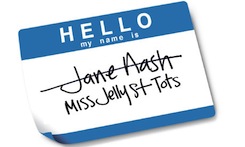 For those faced with the necessity of running a nanny background check for the first time, keeping all of the details straight can be difficult. Among the most important but most frequently overlooked steps is the exhaustive list of name variations that a person can use. Here are ten of the variations you should keep in mind when running a nanny background check.
- Correct Prefix or Suffix – Though they can seem like very small things, prefixes and suffixes can mean the difference between obtaining correct information or a case of mistaken identity. For instance, if the subject is John Smith Jr., it’s important not to drop the suffix and obtain results for John Smith Sr.’s background.
- Maiden Name – For women that are married and chose to take the name of their husband, it’s important to be sure that you include their maiden name in the “aliases or other names the subject has used” section.
- Shortened Versions of a First Name – If your Bill is actually a William or your Tricia a Patricia, it’s important to use both variations of their name for the purposes of a background check. Depending on the information you’re seeking and the way it has been classified, it could be missed if you don’t include both names.
- Middle Name as First Name – Oftentimes, people have used their middle name as a first name since childhood. In this case, it’s important to include their first, middle and last names in the search and keep an eye out for the middle name used as first name.
- Current Married Name – If the subject of your background check is a nanny that has very recently gotten married, it’s still a good idea to include the brand-new last name in the search as well. Though the chances are somewhat slim of finding additional information, it’s best to do all that you can in the interest of being thorough.
- Previous Married Names – Multiple marriages have become quite common in our society; in the event of a background search subject that is female and has been married more than once, it might be necessary to include previously used last names as well as their current one.
- Legally Changed Last Names – Sometimes, for any number of reasons, a person decides to have their last name legally changed for purposes other than legal marriage. If this is the case, there could be a vast amount of information hidden behind their former name.
- Legally Changed First Names – Similar to last names, there are times when people choose to change their first name legally. Unless this is done for the express purpose of hiding a past conviction or other background check blemish, the subject should be willing to provide their former first name. One exception would be those who have changed their names for their own safety, in which case they would be justified in concealing a past identity.
- Informal Name Changes – When someone is known almost solely by a nickname, it can become an informal version of the legal name change. It’s important to know the legal name of your search subject rather than relying on this informal version.
- Unique Spellings – Double and even triple-check your spelling when entering information for a background check; a slight misspelling or variation on the traditional spelling of a name could affect the results that you receive.
When a background check is being conducted for nanny employment reasons, most subjects will be very forthcoming in regards to previous names or aliases. However, if you’re running a background check discreetly for personal reasons (pretty much only possible on yourself), it may be more difficult to ensure the accuracy of the name you have. Also, please remember to follow FCRA rules and get proper approvals before attempting any background checks (you always need the approval of the subject).
Posted in Background Check | Comments Off on 10 Variations of Names to Remember for Nanny Background Checks10 Ways to Get Someone’s Social Security Number (and how to protect yours)
March 29, 2012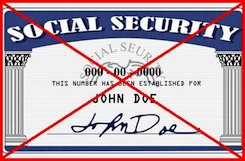 Identity theft is big business these days, both for thieves as well as for security companies attempting to stay one step ahead of the bad guys. So it’s an expensive proposition either way for folks caught in between who need to safeguard their personal data. You can stay ahead of the game by familiarizing yourself with these 10 ways that someone can get your social security number:
- Lost or stolen wallet. The less personal information you need to carry with you, the less that can be obtained by someone who gets hold of your wallet. Don’t carry your SSN card with you. Keep it locked away except for instances when it’s required for ID purposes.
- Driver License – Since 2005, the Intelligence Reform and Terrorism Prevention Act prohibits states from displaying your SSN on drivers’ licenses, state ID cards, or motor-vehicle registrations. However, older cards still in use may still have the SSN on them, in which case the holder is advised to request a new one which doesn’t display their social.
- Trash Cans – Thieves can get a lot of personal info just by rifling through wastebaskets. Applications and forms that unwary victims toss in the trash wind up in the wrong hands every day, at banks, businesses, and from your home trash too. Shred or burn papers rather than just tossing them out.
- Unsecured Websites – Data can be obtained from websites that are not secure; non-encrypted transmissions get intercepted, with customer databases right at the thieves’ fingertips. When conducting business online, make sure the website has a valid certificate, and look for the ‘https:’ URL header, indicating that it is a secure site.
- Paper Impressions – In public places, such as doctor’s offices, where forms are routinely filled out, it’s possible to obtain personal info from pages that were underneath when those forms are filled out. Never fill out a form with sensitive data on top of a pad or stack of forms. A simple pencil trace of the page beneath can reveal a lot.
- Phishing – One of the more sophisticated approaches is to solicit personal info directly from unsuspecting victims using deceptive tactics, such as emails purporting to be sent from trusted businesses. They will ask you to log in and provide info, using a bogus link, to a web page designed to mimic the genuine website.
- Social Engineering – A more direct method of identity theft, this technique prompts the victim to divulge information voluntarily via subterfuge. For instance, calling into a place of business pretending to be tech support, on the odds that eventually he will reach someone who has a tech support issue and will volunteer password info, etc.
- Just Ask. The most direct method is to simply come out and ask a person for their social security number. Provided that it’s being requested in the context of establishing a person’s identity, many people are conditioned to giving up their SSN quite readily. Make sure that whoever is asking for your SSN truly has a need to know, and determine first whether it’s absolutely essential that you provide it.
- Military ID Cards – The U.S. Armed Forces have begun issuing new cards which don’t prominently display the number, but the older cards do show the member’s SSN. Each branch of the military has been using the SSN as the GI’s service number since the Vietnam War-era.
- Online/Public Records – According to the U.S. Government Accounting Office (GAO), it is estimated that 85% of the largest and most populous counties in the U.S. which responded to a recent poll make available for bulk sale or online, records that may contain social security numbers.
10 Red Flags on a Nanny’s Resume
March 29, 2012 As soon as you post a listing on a nanny agency board or on a job board stating that you’re looking for a nanny you’re sure to get a slew of potential prospects vying to watch over your little one. Sifting through resumes is time-consuming and stressful, and after a while each resume ends up blending into the next as you look them over with bleary eyes. Add in the fact that resumes can be slightly misleading when it comes to having correct judgment about an interviewee, and you might be ready to scrap the whole process and just hire the next resume you read on the spot. However before you make any rash hiring decisions you should look for some telltale warning signs on your potential caretaker’s resume:
- Large gap in employment
It could mean nothing more than the fact that the person was unable to find a new job. Or it could mean that after their previous nanny experience no employer wanted to hire the prospective candidate. While this shouldn’t immediately disqualify someone for the position, it should raise some eyebrows as to why the gap in their employment was so drawn out. - No references
If your possible nanny has plenty of jobs listed on their resume but no references to back up those jobs, it should set off a little bell in the back of your mind. Maybe they’re lying about their past employment and maybe no one is willing to give them a glowing reference. Then again, maybe they just didn’t include them… Either way it is worth checking out.
- Fired from last job
Why were they fired from their last job? Was it because they were always late or had questionable childcare tactics? Or were they simply let go because the family no longer needed them or could no longer afford them? Being let go for reasons out of their control is one thing, but being fired raises a whole new set of questions… - Bad driving record
While it doesn’t tell the whole story about a person, a person’s driving record does tell you some of their characteristics. If they’re going to be driving your children around from one activity to the next then you want to make sure that they’re safe drivers with (mostly) clean records. While the occasional speeding ticket is understandable, having multiple speeding tickets or being charged with reckless driving is not.
- Hesitant to have you perform a background check
Any nanny should be more than willing to let you conduct a background check on them and should be entirely forthcoming about any transgressions on their record. Mistakes happen to everyone and they should be willing to be open and honest about that, but hiding past indiscretions means that they probably won’t be entirely communicative and truthful during their employment.
- No past childcare experience
Even young, aspiring nannies should have at the very least some previous babysitting or childcare experience. Taking care of a child is a very demanding job, and people that aren’t accustomed to the stresses that come with that are more likely to quit on a whim than those that are, which an important factor that you’ll need to consider when looking at someone with no prior experience.
- No certifications
While this may not be imperative, it is nice to find someone that has their first aid and CPR certifications, or if they don’t already have them is at least willing to get them before starting their employment. These are valuable skills to have when taking care of children, and by having these certifications already in place it shows that they are serious about their position as a nanny and that they are committed to doing the best job possible.
- Differing discipline views
Your nanny is your right-hand-(wo)man while you’re gone during the days or nights, and that makes it of the utmost importance for you both to be on the same page when it comes to disciplining your children. If their views don’t line up with yours it’s bound to cause problems later on down the road.
- A lot of short term jobs
Having plenty of experience is a great thing, unless it’s all short term experience. When someone has a lot of jobs that have all lasted less than six months it shows an unstable job history and should make you a little wary to bring this person into your home. You want someone who is going to be in for the long haul, not someone who is going to quit soon after taking the job and leave you scrambling to find someone all over again (unless of course you just need someone short term, in which case that could be a good thing).
- Faulty information
If you’ve found the perfect nanny on paper but have to jump through hoops to get ahold of them then you probably want to keep on looking. They should have provided the most up to date contact information with everything from phone numbers to email so that they are easily contacted in reference to a job. Any unreliable contact information is negligent on their part and should raise some concerns.
While perusing resumes is no one’s idea of a fun time, it is a worthwhile task that needs to be done with a fine tooth comb. And even though none of these on their own may completely exclude a candidate, if more than one of them are present you probably want to keep on looking.
Posted in Background Check | Comments Off on 10 Red Flags on a Nanny’s Resume10 Different Types of Nanny Criminal Checks
March 25, 2012 When it comes to checking the background of a potential nanny, a parent can never be too cautious. Entrusting the physical safety and emotional well-being of our children to a stranger is difficult in itself; doing so without being fully informed about that person’s background and past, borders on irresponsible. Here are ten different types of criminal checks parents can run on a potential nanny.
- Driving Record – If part of a nanny’s employment agreement includes job-related driving, checking for moving violations and other problematic driving habits is imperative. Insurance policies covering a family car that the nanny will be using will also look at this information,
- Child Abuse Registry – A growing number of states and local agencies are beginning to maintain a database of childcare workers with charges of neglect or physical abuse in their past. Searching these records can turn up charges that were dismissed or expunged, unlike traditional search methods.
- U.S. Department of Justice Sex Offender Registry – Though all states maintain their own sex offender registry, the U.S. Department of Justice Sex Offender Registry holds information on every sex offender in the nation.
- State Sex Offender Registry – For employers seeking a nanny who has lived within their home state all of their lives, the state sex offender registry is the quickest and easiest way to be certain that a prospective nanny has no sex-related convictions in their past.
- Fingerprint Database – Unique fingerprint databases are an effective way of looking into a childcare provider’s past; any information connected to their individual fingerprint will be housed in these databases.
- Other Biometrics-Based Checks – DNA and other biometrics-based databases operate similarly to fingerprint databases. Expensive and often difficult for the civilian employer to access, these extensive databases house a great deal of information.
- State Criminal Background – Running a basic state-level criminal check on a potential nanny is relatively quick and easy; these records can usually be obtained for a nominal fee and will return any criminal history and conviction within the state.
- Federal Criminal Background – This check will identify any criminal record related to the breaking of federal laws, regardless of where the crime was committed, rather than information limited to a specific state. Since federal crimes can often be more serious in nature than state or local crimes, this is an important check to run.
- County or Local Jurisdiction Records – Checking for local criminal activity is as simple as looking into county and local jurisdiction records; candidates that have lived and worked within a specific community for the majority of their adult lives are ideal for such a search.
- Private Vendor Background Checks – While employers can run most criminal background themselves, private background check vendors often have access to records and information that the layperson might find difficult to obtain. In addition to returning more in-depth reports, a private vendor will also run several different types of checks for one price, making it much quicker and easier to sort through candidates.
It is up to each family to determine how thorough of a background check they desire to run on a nanny candidate. The cost of each report will need to be weighed against the possibility of uncovered unknown and potential vital information.
Posted in Background Check | Comments Off on 10 Different Types of Nanny Criminal Checks ← Older posts Newer posts →Run A Background Check Now
Fast, reliable & secure background checks are just a few clicks away.
Choose a plan & click to start your check at eNannySource.com

Recent Articles
- How to Reject a Nanny Applicant Gracefully
- How to Monitor The Quality of Care Your Children Receive
- How to Check Up on Your Nanny When You Don’t Have Nanny Cams
- 10 Unwritten Playground Rules All Parents Should Follow
- 12 Tips for Keeping the Backyard Safe This Spring
- 10 Things Moms do That Could Get Them in Trouble with the Law
- How to Snoop on Your Kid While He’s Online
- 10 Reasons Parents Should Not Have Guns in the House
- 10 of the Most Important Things to Include in Your Nanny Contract
- 10 Signs a Nanny Candidate Might Be the Wrong Choice
Article Archives
- September 2013
- August 2013
- June 2013
- April 2013
- March 2013
- February 2013
- January 2013
- December 2012
- November 2012
- October 2012
- September 2012
- August 2012
- July 2012
- June 2012
- May 2012
- April 2012
- March 2012
- February 2012
- January 2012
- December 2011
- November 2011
- October 2011
- September 2011
- August 2011
- May 2011